Do Scalp Massage Brushes Work? Real Benefits & Risks
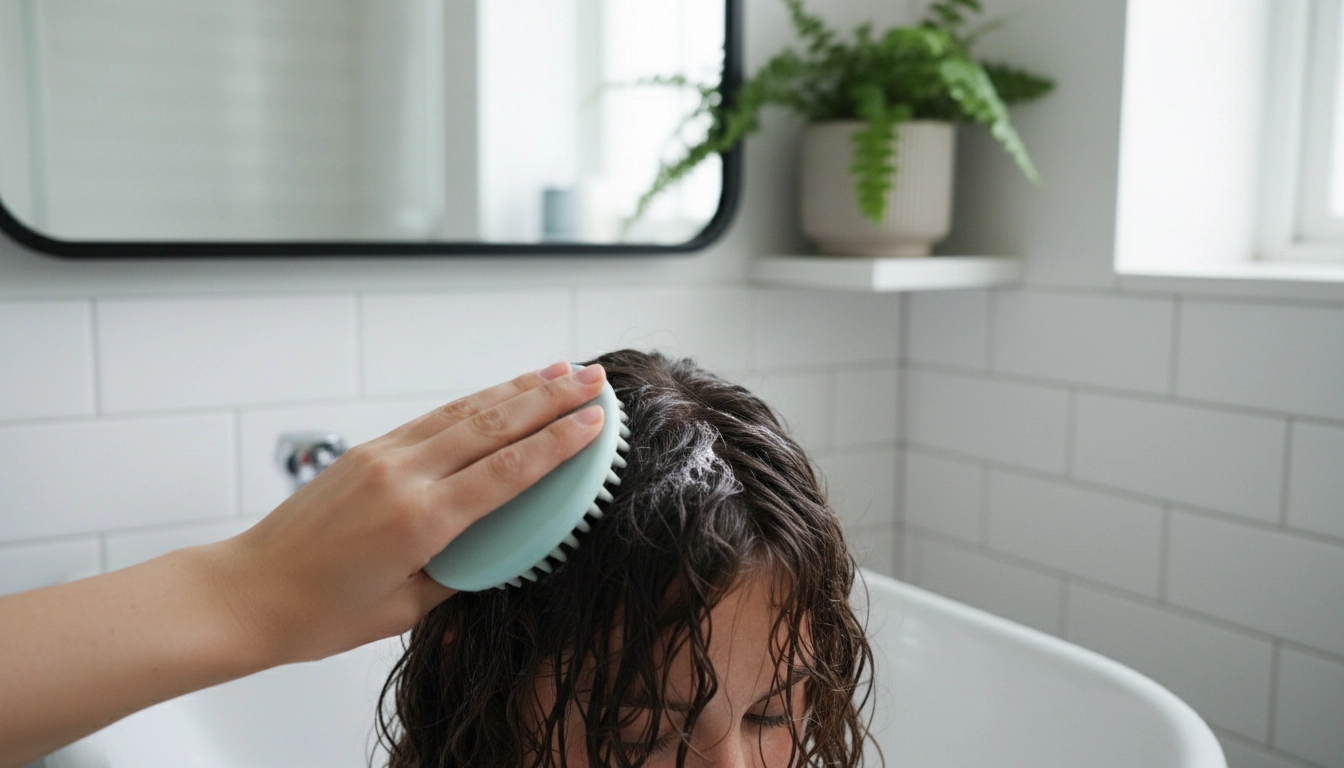
Do scalp massage brushes actually work?
Scalp massage brushes can work, depending on what “work” means for your goals. They’re best at helping physically loosen buildup, spreading shampoo evenly, and giving a satisfying massage that may support a healthier-feeling scalp. Many people also find they help reduce itchiness from mild product residue and make cleansing more effective, especially if you use styling products or dry shampoo.
For hair growth, a brush isn’t a magic fix. A scalp brush can support a better environment for hair by improving cleansing and encouraging regular scalp care, but it won’t override genetics, hormones, nutrition, or medical conditions. If you’re dealing with sudden shedding, bald patches, scaling, or persistent inflammation, a dermatologist is the right next step.
What benefits are realistic?
A good scalp brush can provide gentle exfoliation, which may help remove flakes and excess oil. It can also help lift product buildup so your shampoo can reach the scalp more directly. If you massage in small, light circles, it can feel relaxing and may help relieve scalp tension—one reason people keep using them consistently.
When can a scalp brush backfire?
Using too much pressure, brushing too often, or using stiff bristles on a sensitive scalp can cause irritation. If you have psoriasis, eczema, folliculitis, open sores, or very inflamed dandruff, aggressive scrubbing can worsen redness and discomfort. Start gently, and stop if you notice stinging, increased flaking, or tenderness.
How to use one effectively
Use the brush on wet hair in the shower with shampoo (or on a damp scalp if you’re applying a scalp treatment). Keep pressure light, work in sections for 30–60 seconds, and avoid tangling lengths—focus on the scalp, not the hair shaft. For a deeper breakdown of benefits, technique, and what to look for in a brush, visit the full guide here.
FAQ
How often should you use a scalp massage brush?
For most people, 2–4 times per week is plenty, typically during shampooing. If your scalp is oily you may tolerate daily use, but reduce frequency if you notice irritation or increased dryness.











Leave a comment