Soft Swirl Rug Tips for Living Room & Bedroom Comfort
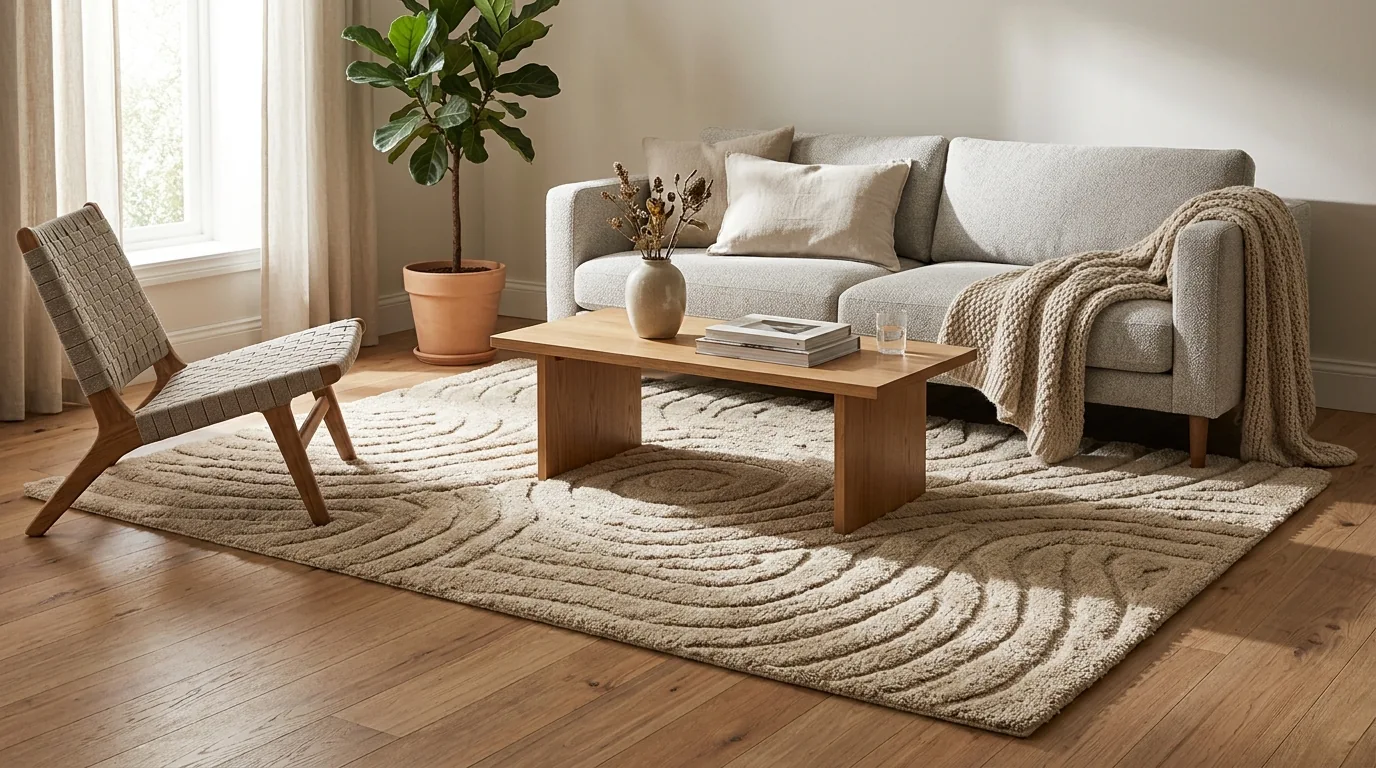
Soft Swirl Rug for Living Room & Bedroom: Comfort, Style, and Easy Care
A plush swirl-textured rug can instantly soften a space—visually and underfoot—while helping define seating areas, warm up hard floors, and add a calming layer to bedrooms. Whether you’re styling a conversation area in the living room or creating a gentler start to the day beside the bed, a soft swirl rug brings texture that reads like subtle design even in a solid color. Below are practical tips for placement, sizing, upkeep, and everyday livability.
What a swirl-textured rug changes in a room
Swirl texture adds movement without the commitment of a bold print. Instead of competing with furniture or wall art, the surface detail shows up as depth—especially when sunlight or lamps graze the pile and reveal light-to-dark shifts.
Comfort is the other big upgrade. A plush rug beside a sofa, under a coffee table, or next to a bed creates a “pause point” that feels warmer and quieter than bare flooring. On hard surfaces like wood, laminate, or tile, rugs also help reduce echo and dampen footfall noise, which can make open layouts feel calmer.
Finally, a rug acts like a boundary line. In open-plan rooms, it can carve out a seating zone, a reading corner, or a vanity area—so the space feels intentional rather than floating.
Softness, pile, and daily livability
Pile height is where comfort and practicality meet. Thicker piles tend to feel plusher (great for bedrooms and low-traffic lounging), while lower piles are often easier to vacuum and less likely to trap crumbs or pet hair in busy living rooms. If your space sees constant movement—kids, pets, or frequent guests—consider how quickly you’ll want to tidy up.
Swirl texture also has a “nap,” meaning the fibers lean in a direction. That’s why the rug may look slightly lighter or darker depending on where you stand and how the light hits it. This isn’t a flaw; it’s part of the dimensional look. If you’re matching the rug to upholstery, check the rug in both daylight and evening lighting so the tone feels consistent with your room.
Sizing and placement that look intentional
Quick sizing guide for common setups
| Room/Area | Placement goal | Practical size notes |
|---|---|---|
| Living room seating area | Anchor sofa + chairs | Aim for front legs on the rug; larger rugs generally look more cohesive in open spaces |
| Small living room or apartment | Define the seating zone | Choose a size that fits under the coffee table with enough border to reach seating |
| Under a queen bed | Soft landing on both sides | Select a rug that extends beyond the bed edges so stepping down is cushioned |
| Bedside coverage | Comfort next to the bed | Two runners or a smaller rug can work when full under-bed coverage isn’t practical |
| Reading nook | Cozy corner definition | Fit the chair and side table partially on the rug for a pulled-together look |
Color and styling ideas for living room and bedroom
Care and maintenance for a plush rug
Regular vacuuming is the easiest way to keep a plush rug looking fresh. Use a setting appropriate for the pile, and if the fibers pull or the rug sheds, avoid aggressive beater bars. For deeper care guidance and cleaning best practices, the Carpet and Rug Institute offers helpful resources.
A rug pad is a small add-on that makes a big difference: it reduces sliding, helps protect the backing, and adds a touch of cushioning. If indoor air quality is a priority, maintaining a consistent cleaning routine can help reduce dust accumulation over time (see the EPA’s guidance on indoor air quality and cleaning practices).
Safety, floors, and comfort details that matter
When you’re unsure about care instructions for any textile item at home, it can help to review general labeling guidance like the FTC’s overview of care labeling, then follow the specific directions provided with your rug.
A ready-to-use option
If you want a simple way to add softness and gentle pattern, the Soft Swirl Rug for Living Room & Bedroom is designed to bring cozy texture to everyday spaces. It works well as a living room anchor or as a bedroom “soft landing” layer—especially when paired with a supportive rug pad and sized to your furniture layout first.
To round out a comfort-focused setup, consider small upgrades that support the way the room is used. A casual layer like the Calvin Klein Men’s Zip-Up Hooded Sweatshirt fits naturally into reading-nook routines and relaxed evenings at home. For low-key listening while you unwind, the Flagship HiFi Earphones can complement a quiet, cozy space without changing your décor.
FAQ
Should a living room rug go under the sofa?
Most living rooms look more grounded when at least the front legs of the sofa (and nearby chairs) sit on the rug. Placing the rug fully under the sofa can feel even more unified in larger rooms, while rugs that stop short of the seating often look disconnected.
How should a rug be placed in a bedroom?
Common options include placing a larger rug under the bed so it extends on both sides, using two runners along the bedside, or positioning a partial rug where your feet land most. Make sure doors and drawers clear the rug easily so it stays practical day to day.
How can a plush rug be kept looking fresh?
Vacuum regularly with a pile-appropriate setting, blot spills quickly instead of rubbing, and rotate the rug occasionally to distribute wear. Using a rug pad helps prevent shifting and can reduce stress on the backing.







Leave a comment